Window Tinting for Energy Savings in the GTA
Can Window Tinting Lower Your Energy Bills in the GTA?
If you've noticed your air conditioning running nonstop through a Toronto summer, or your heating bills climbing every January in Brampton, your windows are likely a big part of the problem. Untreated glass lets solar heat pour into your home or office, forcing your HVAC system to work harder than it should. Window tinting energy savings in the GTA are real, measurable, and often significant enough to change how you think about your building's envelope. This guide breaks down exactly how window film works, which products perform best in Canadian conditions, and what kind of savings you can realistically expect.
How Window Tinting Affects Heat and Energy Efficiency
Window film works by intercepting solar energy before it fully enters your space. Rather than letting sunlight pass through glass unfiltered, quality tinting films reflect a portion of that energy back outward and absorb another portion within the film itself. The result is a noticeably cooler interior without blocking your view or relying entirely on your HVAC system to compensate. For both GTA homeowners and commercial property managers, this means lower energy consumption and a more comfortable environment year-round.
What Is Solar Heat Gain and Why Does It Matter?
Solar heat gain refers to the increase in temperature inside a space caused by incoming solar radiation through glass. It is measured by the Solar Heat Gain Coefficient, or SHGC. A lower SHGC means less heat is entering through the window. Standard single or double-pane windows found in many GTA homes and older commercial buildings often have SHGC values that allow a significant amount of solar heat to pass through unchecked.
According to Natural Resources Canada, windows can account for up to 25% of total heat loss and gain in a typical Canadian home. The U.S. Department of Energy has also reported that window films can reduce solar heat gain by up to 70–80% depending on the film type and installation quality. In a city like Toronto, where summers regularly push past 30°C and winters drop well below freezing, managing solar heat gain is one of the more practical and cost-effective steps a property owner can take.
How Much Heat Can Window Film Actually Block?
The answer depends largely on the film you choose. Premium ceramic and carbon films are currently among the
strongest performers on the market. High-quality ceramic films can reject up to 99% of ultraviolet radiation and between 50% and 80% of total solar energy, depending on the specific product and visible light transmission level selected.
Standard dyed films, which are the most affordable option, offer some heat reduction but are far less effective at infrared heat rejection. They also tend to fade faster and can interfere with signal-dependent devices over time. In contrast, nano-ceramic window tint uses advanced metallic oxide particles embedded in the film to block infrared heat without the signal interference issues sometimes associated with metallized films. For GTA properties where performance and longevity matter, nano-ceramic options consistently deliver the best return.
Energy-Saving Benefits of Residential Window Tinting
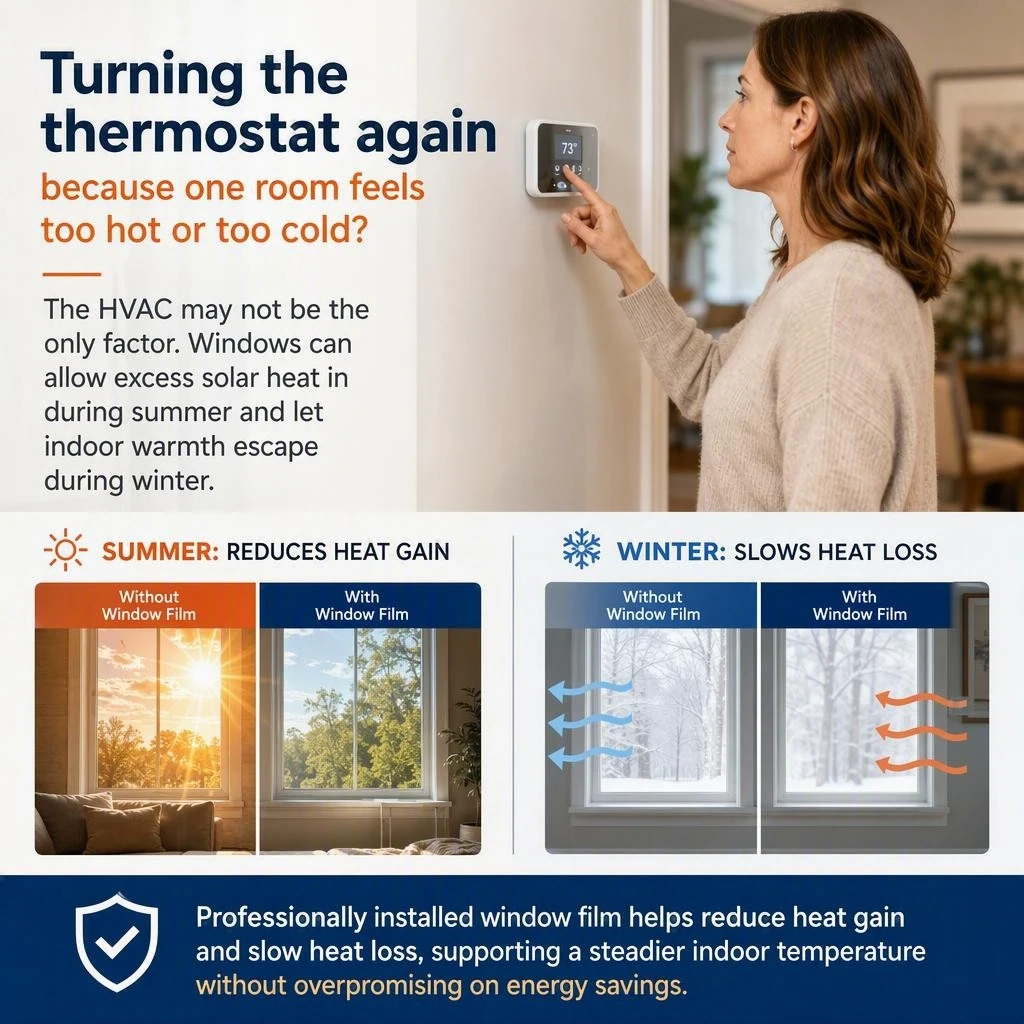
For homeowners in Toronto, Brampton, and Mississauga, window film offers a straightforward way to reduce energy costs without a major renovation. Tinting reduces the amount of solar heat entering your home in summer, which lowers the demand on your air conditioning. In winter, certain film types help retain radiant heat inside, reducing how hard your furnace has to work. This dual-season benefit is especially relevant in Canada's climate, where extreme temperature swings are the norm rather than the exception.
Homes with large windows, open-plan layouts, or significant south- and west-facing glass exposure stand to benefit the most. Many homeowners across the GTA report noticeable drops in their monthly hydro bills within the first full season after installation. If you're exploring residential window tinting in the Greater Toronto Area, the combination of UV protection, heat control, and glare reduction makes it one of the most practical upgrades available.
Does Window Tinting Help in Canadian Winters?
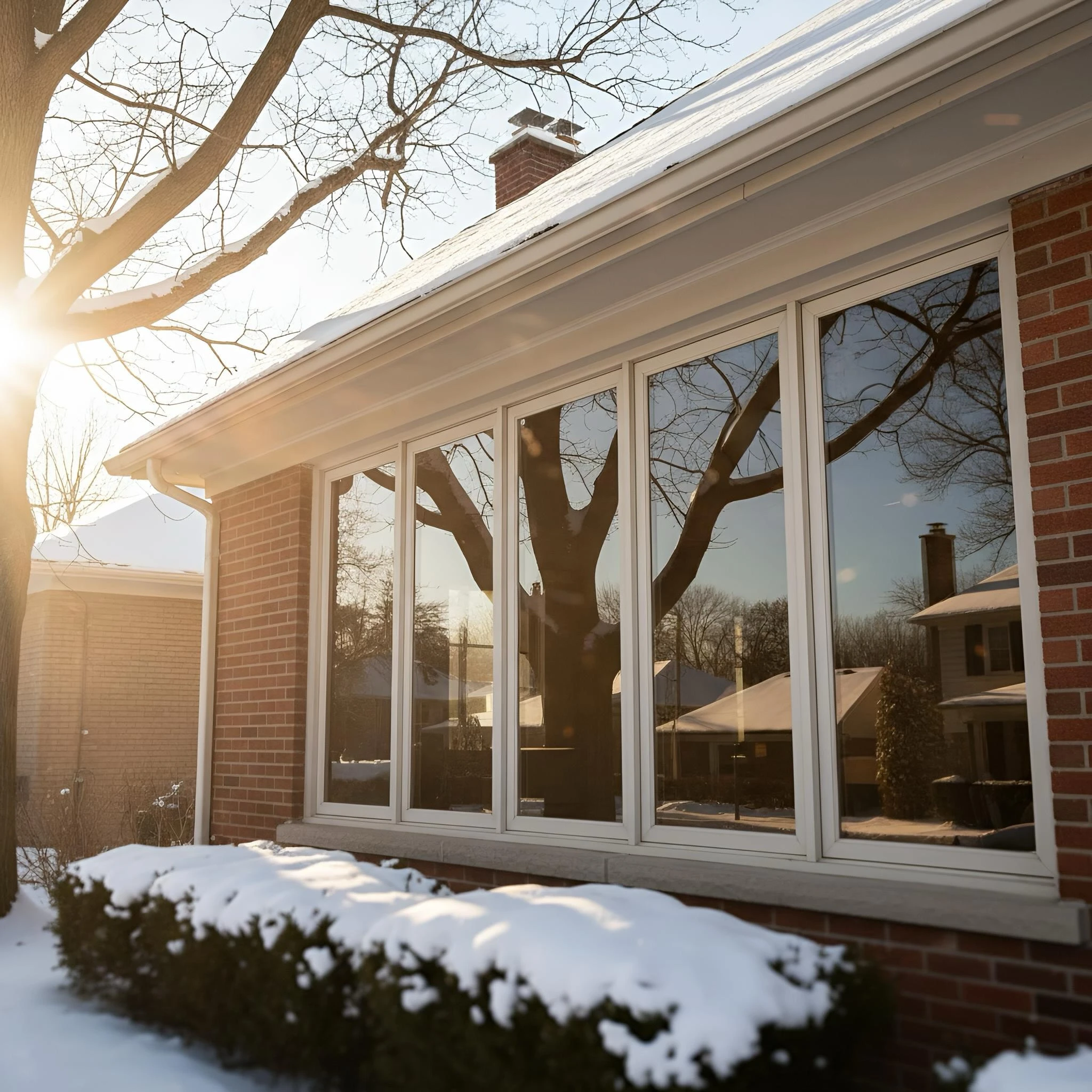
Yes, and this is one of the most common misconceptions about window film. Many people assume tinting is only a summer solution. In reality, quality low-emissivity films help trap radiant heat inside during colder months, acting as a secondary insulation layer against the glass. This is particularly useful for older homes in Brampton or Mississauga that have single-pane windows or drafty frames where heat loss through the glass is more pronounced.
The insulating effect won't replace proper weatherstripping or window replacement in extreme cases, but it does add a meaningful layer of thermal resistance. For a more complete breakdown of how film performs in cold weather, the guide on window tinting in Canadian winters covers the topic in detail. Year-round performance is what separates a worthwhile investment from a seasonal fix.
Which Rooms Benefit Most from Tinted Windows at Home?
South- and west-facing rooms receive the highest volume of direct sunlight throughout the day, making them the most obvious candidates for window film. Living rooms with large picture windows, sun rooms, and home offices are frequently the spaces where homeowners first notice heat and glare issues. By mid-afternoon in a Toronto summer, a west-facing living room without tinting can feel noticeably warmer than the rest of the home, forcing the thermostat to work overtime.
Home offices deserve special attention. With more GTA residents working from home, screen glare and afternoon heat in a workspace have become everyday productivity issues. If you're setting up or upgrading a dedicated workspace, this guide on home office window tint film outlines the specific film options that reduce glare and heat without making the room feel dim or enclosed.
How Commercial Window Tinting Cuts Office Energy Costs
Commercial properties in the GTA face a different scale of energy challenge. Office buildings with large glass facades, open-plan floors, or significant south-facing exposure can see HVAC costs represent a large share of total operating expenses. Window tinting for commercial spaces addresses this directly by reducing solar heat gain across entire floors, which leads to more consistent indoor temperatures and less strain on centralized cooling and heating systems.
Beyond the financial impact, employee comfort is a real operational concern. Spaces with uncontrolled glare and heat near windows often push employees toward the centre of the floor, wasting usable real estate and contributing to uneven temperature distribution. Office window tinting in the Greater Toronto Area has become a practical upgrade for property managers and business owners who want to reduce costs while improving the working environment simultaneously.
What Is the ROI of Window Tinting for a GTA Office?
The return on investment for commercial window film depends on factors like building size, current energy costs, glass area, and the film type installed. That said, industry data consistently points to payback periods of between two and five years for most commercial installations. After that point, the energy savings become net positive and continue for as long as the film remains in good condition.
A medium-sized office in Mississauga or Toronto with significant glass exposure can see annual HVAC savings of 10– 30% after tinting, depending on the film selected and the existing window specifications. When you factor in reduced maintenance demands on aging HVAC units and the productivity gains from a more comfortable workspace, the financial case becomes even stronger. A detailed look at the numbers is available in this breakdown of maximizing office ROI with window tinting.
Solar Bronze and Reflective Films for Commercial Energy Control
For commercial buildings with high solar exposure, solar bronze and silver reflective films are among the most effective options available. These films combine strong heat rejection with significant glare control, making them well-suited to office environments where screens and productivity are directly affected by afternoon sun.
Dual-reflective films are a popular choice for buildings that want a polished exterior appearance alongside strong interior performance. They reduce visible glare from inside while presenting a professional, uniform look from the outside. Solar Bronze window film is particularly effective for south- and west-facing commercial facades in the GTA, where summer sun intensity peaks in the mid- to late afternoon. Many Toronto property managers choose this option when balancing aesthetic requirements with serious energy performance targets.
Ceramic vs. Carbon Tint: Which Saves More Energy?
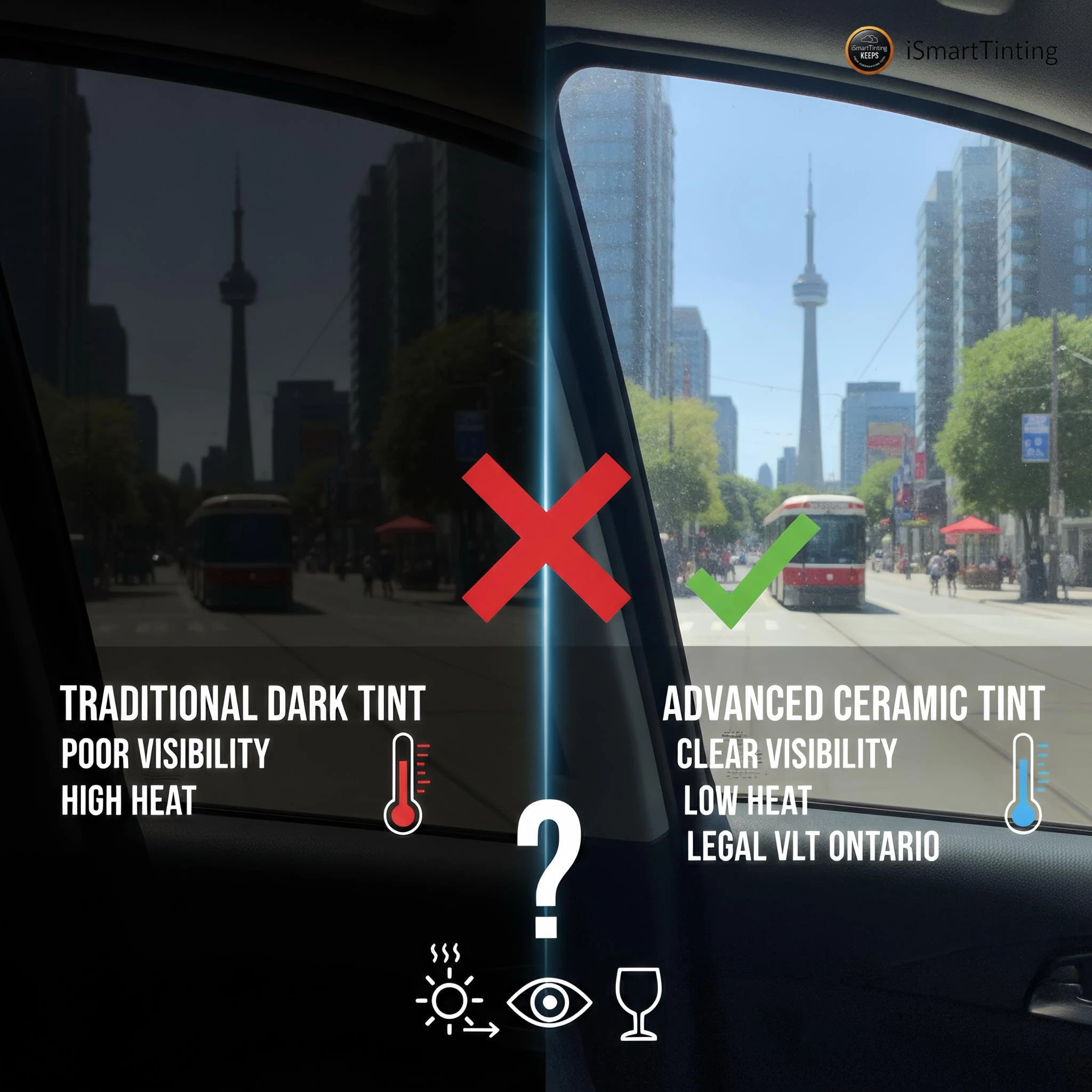
Both ceramic and carbon films outperform standard dyed films, but they work differently and suit different priorities. Ceramic films use non-conductive metallic oxide particles to block infrared heat without interfering with GPS, mobile signals, or Wi-Fi. They typically offer superior infrared heat rejection, often rejecting 50–85% of total solar heat depending on the product, and they maintain their performance without fading over time.
Carbon films use carbon particles to absorb solar heat and offer solid performance at a lower price point than premium ceramic options. They don't interfere with electronics either, and they hold their colour well over time compared to dyed films. For most GTA homeowners, carbon film is a strong mid-range option. For commercial applications or rooms with high solar exposure, ceramic film generally delivers better long-term energy performance and is worth the additional investment.
The quality of the film matters, but so does the quality of the installation. Even the best ceramic film installed with bubbles, lifting edges, or improper coverage will underperform relative to its rated specifications. iSmartTinting's expertise in both product selection and precision installation is what ensures GTA clients get the full energy benefit from whatever film they choose.
Why Professional Installation Matters for Energy Performance
A window film's rated performance assumes it is installed correctly. Gaps, bubbles, lifted edges, or contamination between the film and the glass all reduce how effectively the film rejects heat and UV radiation. DIY installation errors are common enough that many homeowners who attempt it themselves end up paying for a professional re-installation anyway, sometimes after the film has been in place long enough to leave adhesive residue on the glass.
iSmartTinting uses computerized cutting technology to ensure every film panel is cut precisely to the dimensions of each window before installation begins. This reduces the risk of application errors and ensures a clean, seamless result across every pane. The installation team brings hands-on experience across residential and commercial projects throughout Brampton, Toronto, and Mississauga. For anyone serious about the energy performance of their window film, professional window tinting services are the straightforward choice over DIY.
How to Get Started with Energy-Saving Window Tinting in the GTA
Getting started with iSmartTinting is a straightforward process. The team serves homeowners and commercial clients across Brampton, Toronto, Mississauga, and the broader Greater Toronto Area, with same-day installation available for many projects. Competitive pricing and a range of film options means there's a solution for most budgets, whether you're tinting a single room or an entire office floor.
The booking process takes minutes, and the iSmartTinting team can help you identify the right film for your specific windows, orientation, and energy goals before any work begins. If you're ready to start reducing your energy costs with quality window film, book your window tinting appointment and speak with a specialist who knows the GTA's climate and what actually works here.
Frequently Asked Questions
Window tinting can reduce home and office energy costs in the GTA by blocking solar heat before it enters through glass, reducing the load on your HVAC system across both summer and winter months.
How much can window tinting reduce my energy bills?
Most homeowners and office managers in the GTA see energy savings of between 10% and 30% after professional window film installation, depending on the number of windows treated, their orientation, and the film type chosen. South- and west-facing windows with high solar exposure tend to show the biggest impact. Savings accumulate through lower air conditioning demand in summer and reduced heat loss in winter.
Does window tinting work in both summer and winter in Ontario?
Yes. In summer, window film blocks a large percentage of solar heat before it enters your space, reducing cooling demands. In winter, certain low-emissivity films help retain radiant heat inside, acting as a secondary thermal barrier against the glass. This makes window tinting a year-round energy solution rather than a seasonal one, which is especially relevant given Ontario's wide temperature range.
What type of window film is best for energy efficiency in a GTA home?
Nano-ceramic films are widely considered the best option for energy efficiency in residential applications. They offer the highest infrared heat rejection rates, block up to 99% of UV radiation, and don't fade or interfere with electronics over time. For homeowners on a tighter budget, carbon films offer solid performance at a lower price point than premium ceramic options.
Is commercial window tinting worth the investment for a Toronto office?
Yes, particularly for buildings with significant glass exposure. Commercial window film typically pays for itself within two to five years through HVAC energy savings alone. Additional benefits include improved employee comfort, reduced glare on screens, and a more consistent indoor temperature across the floor. Over the lifespan of the film, the cumulative savings are substantial.
How long does it take for window tinting to pay for itself in energy savings?
For residential installations, the payback period is typically two to four years. For commercial properties with larger glass areas and higher baseline energy costs, payback can occur in as little as two years. After that, the savings are ongoing for as long as the film remains in good condition, which for quality ceramic or carbon films can be 10 to 15 years or longer.
Will window tinting affect the appearance of my home or office from the outside?
It depends on the film type. Lightly tinted or clear ceramic films have minimal visible impact from the exterior.
Reflective and solar bronze films give commercial buildings a polished, uniform appearance. For homeowners concerned about aesthetics, iSmartTinting can walk you through the range of options that balance performance with the look you want to maintain.
Can window tinting be applied to all window types found in GTA buildings?
Most window types found in GTA homes and commercial buildings are compatible with window film, including single-pane, double-pane, tempered, and laminated glass. The main exception is some specialty or highly coated glass where the manufacturer's warranty may restrict film application. A professional assessment before installation will confirm compatibility and ensure the right film is matched to each window type.